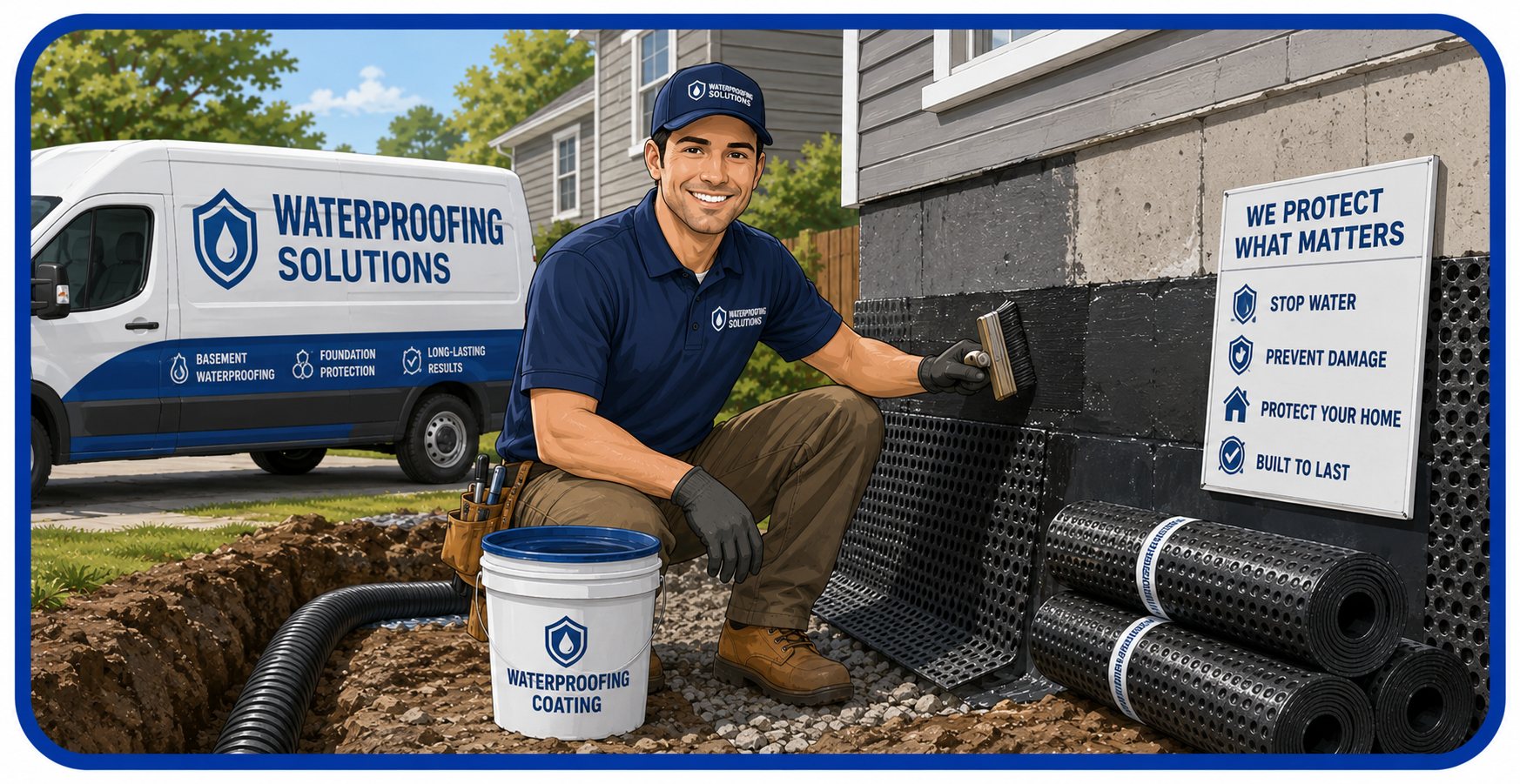
Full excavation and rubberized membrane protection that addresses water at its point of entry, before it ever reaches your basement wall.
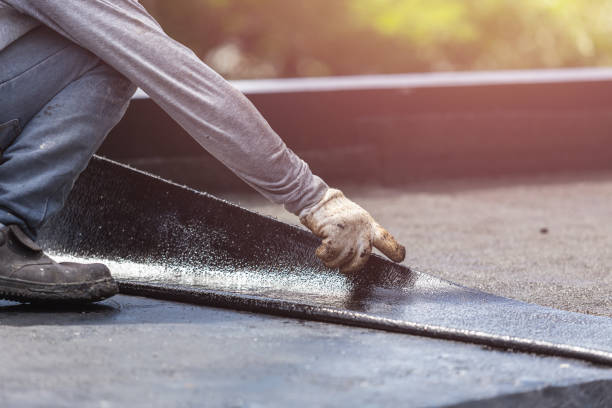
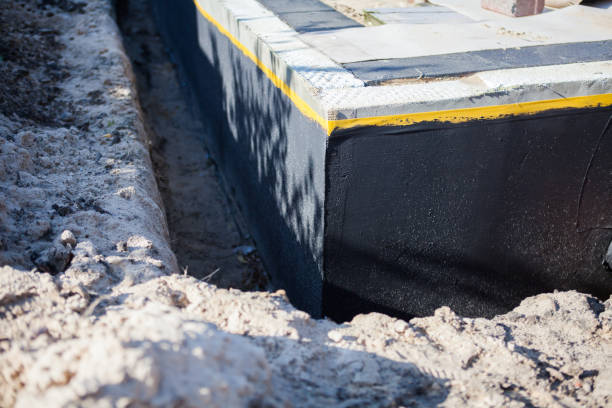
Exterior waterproofing is the most comprehensive approach to eliminating basement moisture because it addresses the problem where it originates: at the exterior face of the foundation wall. Rather than managing water that has already entered the building envelope, this method stops it from reaching the wall surface entirely. The process begins with full excavation around the affected perimeter, which requires removing soil from the foundation level down to the footing to expose the complete wall surface. This depth is critical because partial excavation leaves untreated wall area below grade where hydrostatic pressure and soil moisture continue to act against the foundation.
Once the foundation wall is exposed, any existing deteriorated coatings, efflorescence, or cracked parging are removed to create a clean, stable substrate. Cracks in the foundation wall itself are filled and surface-prepped before any waterproofing material is applied. The primary waterproofing layer for most Martinsville applications is a rubberized asphalt membrane applied by roller or spray to the cleaned wall surface. This material bonds directly to masonry or poured concrete, bridging hairline cracks and micro-fissures that would otherwise serve as water entry pathways. The membrane is applied in multiple passes to achieve a specified minimum thickness, and the material's flexibility accommodates the minor seasonal movement that occurs in Martinsville, NJ soil conditions without cracking or delaminating.
Drainage board, sometimes called dimple board or dimple mat, is installed over the cured membrane to create a capillary break between the waterproofed wall surface and the surrounding soil. This profiled plastic sheet holds the soil away from the membrane surface and channels any water that migrates through the soil downward to the footing drain rather than allowing it to accumulate against the wall. The dimple profile creates a continuous air gap that eliminates the direct hydraulic contact between saturated soil and the foundation surface. At the base of the excavation, a perforated footing drain pipe is laid in a gravel bed alongside the footing, collects the water directed downward by the drainage board, and conveys it to daylight or to a sump pit inside the structure.
Project timing in Martinsville is an important consideration for exterior waterproofing work. The excavation and membrane application phases require periods of dry weather for proper curing, and frozen ground in winter months affects both excavation feasibility and membrane adhesion. We schedule exterior work in Martinsville, NJ during the windows of the year when conditions support proper material performance. However, in cases where active water intrusion is causing immediate damage, we assess whether emergency interim measures can stabilize the situation until exterior work can be performed under appropriate conditions. Homeowners who are concerned about a tight window of opportunity should schedule assessments well in advance of their preferred project timing.
Exterior waterproofing represents a significant investment compared to interior drainage solutions, and homeowners in Martinsville reasonably ask whether the cost is justified for their specific situation. The honest answer depends on the source and severity of moisture entry, the foundation type, and the long-term goals for the space. In cases where water is entering through the wall itself due to hydrostatic pressure or deteriorated original waterproofing, exterior treatment addresses the cause rather than managing the symptom. Interior drainage systems are valuable tools in many situations, but they do not treat the wall surface or reduce hydrostatic pressure against the foundation. For homes in Martinsville where the foundation is sound but the original exterior waterproofing has aged out, a re-application of exterior membrane can extend the foundation's protection for decades. We provide assessments that document the actual conditions and recommend the approach best suited to those conditions, not the most expensive option available.
Excavation expertise, proven materials, and a warranty that means something.
Our crews handle complete foundation excavation to footing depth, not just surface-level treatments. Every project in Martinsville is fully exposed before any membrane is applied.
Material quality is the single most important variable in exterior waterproofing longevity. We specify membranes with documented performance in soil-contact applications, not basic coatings.
Our exterior waterproofing work is backed by a written workmanship warranty covering membrane adhesion, drainage board installation, and footing pipe placement.
Every service performed to current waterproofing industry standards.
Our full perimeter packages address every section of exposed foundation wall, ensuring no untreated zones remain that could later become moisture entry points.
Learn moreWe document which sections show evidence of active moisture entry and design targeted scopes that address the actual problem areas rather than defaulting to full perimeter work where it is not needed.
Get an assessmentSurface preparation, crack repair, and re-application of current-generation rubberized membrane over aged original coatings restores exterior protection at a fraction of total foundation replacement costs.
Schedule a reviewInstalling or replacing dimple board and footing drain pipe in conjunction with membrane work ensures water shed by the drainage plane reaches an appropriate outlet rather than pooling near the foundation base.
Learn about drainageBasement window wells in Martinsville homes are a common point of exterior water entry. Proper well drainage, liner installation, and connection to the perimeter footing pipe prevents well overflow from reaching window openings.
Address window wellsBackfill compaction, surface grade correction to direct water away from the foundation, and landscape restoration are included in our Martinsville exterior waterproofing projects.
See full scopeFrom assessment to restored landscape, four stages that deliver permanent basement protection.
We evaluate the exterior conditions, identify moisture entry points, and document wall condition to design the right scope for your Martinsville home.
Excavation depth and width are documented before work begins so the scope is clearly defined.
Each phase is inspected before the next begins to ensure material performance is not compromised by sequencing shortcuts.
Landscape restoration and grade verification complete the project before final documentation is provided to the homeowner.
Real results from real homeowners who chose the permanent solution.
After 12 years of dealing with wall seepage in our older home in Martinsville, the exterior waterproofing finally eliminated it. The technician explained exactly why the interior approaches were only managing the water rather than stopping it, and the exterior project confirmed that assessment.
The excavation was significant work but the team was organized and efficient. They staged the soil carefully, worked methodically around the foundation, and restored the grade correctly at the end. The detailed written scope before the project started meant I knew exactly what to expect at each stage.
Fair pricing for the scope of work involved. The assessment was detailed and the proposal broke down every line item. No surprises during the project and the crew left the site cleaner than they found it.
No vague promises, just accurate information about what exterior waterproofing delivers.
Excavation disruption is real and should be factored into the project decision. Our assessment walks around the full perimeter to document every item in the excavation zone and note which plants, structures, or materials are at risk. Homeowners who want to preserve specific plantings can arrange for a landscaper to relocate them before excavation begins. We restore the grade and clean the site thoroughly, but landscape features within the trench footprint are unavoidably affected by the process.
The comparison is not simply about which approach is better in the abstract; it is about which approach addresses the specific moisture entry mechanism present in your Martinsville home. Wall seepage that stains the middle of the block, migrates through cracks, or appears after saturation events is the profile that exterior waterproofing resolves most definitively. Floor-joint entry or seepage that follows the perimeter at the floor level responds better to interior channel systems. When both conditions are present, a combined approach is sometimes the most complete solution.
{Quality exterior waterproofing using modern rubberized membrane systems can protect a foundation for 20 to 30 or more years when properly installed on a well-prepared surface. The original factory-applied bituminous coatings used on homes built through the 1980s typically had a design life of 10 to 15 years under favorable soil conditions. Modern rubberized membrane materials are substantially more durable, maintain flexibility under soil movement and temperature cycling, and retain adhesion over extended periods. The key variable in longevity is surface preparation quality and membrane thickness applied; underprepared substrates and thin single-pass applications consistently underperform.|Longevity depends on the membrane product specified, surface prep quality, and subsequent drainage board and footing pipe function. When drainage board is properly installed and the footing pipe remains clear and functional, the membrane experiences minimal hydrostatic load because water is redirected before it can accumulate against the wall surface. Regular inspection of the exterior grade around the foundation and the footing drain outlet ensures the drainage system continues to function as designed over the years.}
For homeowners with active moisture problems in winter, we evaluate whether interim measures can stabilize the situation until conditions support exterior work. In some cases, temporary interior drainage can reduce immediate water damage risk while the exterior project is planned for spring. We are transparent about what winter conditions allow and advise accordingly rather than scheduling work that conditions do not support.
Landscaping impact is real but temporary for most items. Lawn areas typically recover within one to two growing seasons after backfill and reseeding. Established shrubs that are carefully relocated before excavation can be successfully replanted in the same beds after completion. Large mature trees within the excavation zone require a separate arborist evaluation to determine whether root disruption at excavation depth would pose a risk to the tree's health. We document these considerations clearly during the assessment.
The return on exterior waterproofing investment in Martinsville comes from several directions: prevention of ongoing moisture damage to structural elements, framing, and finishes; reduction or elimination of mold risk that creates both health and remediation costs; increased usable floor area if the basement was previously unusable due to moisture; and improved marketability and buyer confidence at the time of sale. For older homes where the original factory waterproofing has failed, the cost of continued water damage over time typically exceeds the cost of exterior treatment within several years.
A site assessment costs you nothing and answers the question definitively. Call JCB Waterproofing and Construction to schedule.
Call +1-866-476-1348 for Assessment